

Japanese Interpreter Job in Greater Noida Hiring Now
Good interpretation can change the outcome of a conversation. A clear sentence at the right moment can prevent confusion, keep an event on track, and help people from different language backgrounds work with confidence.
Core Minds Tech Solutions is hiring an experienced Japanese Interpreter for a role based in Greater Noida. This opportunity is suited to someone who can listen carefully, think quickly, and interpret spoken communication with accuracy during meetings, conferences, and events.
The position offers a salary of ₹50,000 per month and is open to candidates with 2 to 5 years of relevant experience. Applicants should be graduates or hold an equivalent qualification.

A quick look at the role
This is a focused interpreting role for spoken communication. The interpreter will support conversations where Japanese and English communication need to flow clearly between participants.
Detail | Information |
Role | Japanese Interpreter |
Location | Greater Noida |
Qualification | Graduate or equivalent |
Experience | 2 to 5 years |
Salary | ₹50,000 per month |
Key skill | Interpreting spoken communication during meetings, conferences, and events |
The role calls for more than word-for-word translation. Spoken interpretation requires judgement. The interpreter must understand the speaker’s meaning, tone, and context, then carry that message across in another language without adding, removing, or softening the meaning.
That is why experience matters. A candidate with 2 to 5 years in interpretation is likely to have handled real conversations, unfamiliar accents, time pressure, and technical terms. Those skills make a direct difference in the quality of communication.
What the Japanese Interpreter will do
The main responsibility is to interpret spoken communication between Japanese-speaking and English-speaking participants. This may happen in planned sessions, event discussions, operational conversations, visits, or conference settings.
A strong interpreter helps both sides stay aligned. When communication moves quickly, they must listen, retain meaning, and speak clearly without losing the speaker’s intent.
The work may include:
Interpreting live conversations between Japanese and English speakers
Supporting communication during meetings, conferences, and events
Listening closely to spoken content and conveying it accurately
Helping participants understand tone, context, and meaning
Managing language flow so conversations remain clear and respectful
Preparing basic vocabulary or subject context before scheduled sessions
Asking for clarification when a phrase, name, or technical point is unclear
Interpretation is careful work. A small mistake can change the meaning of an instruction, timeline, request, or response. The right candidate should be comfortable staying calm while listening and speaking in sequence.
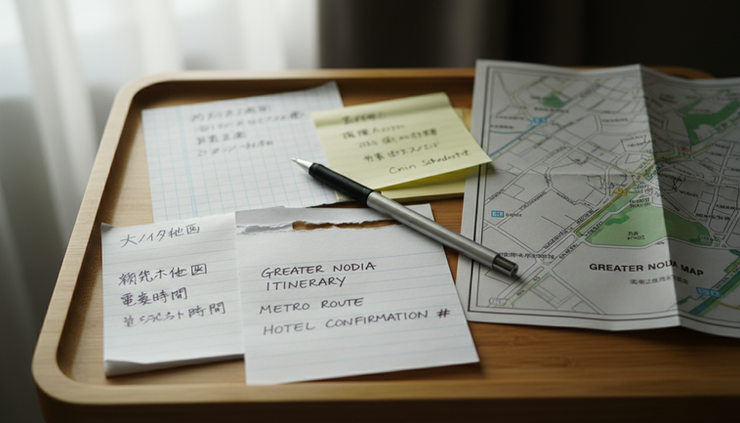
Why Greater Noida is a strong location for this role
Greater Noida has grown into an important work location in the National Capital Region. It is known for industrial zones, education hubs, residential areas, and strong road connectivity. For language professionals, this can make the area a practical base for assignments that involve site visits, events, and cross-language coordination.
A Japanese interpreter in Greater Noida may support communication where clarity and speed are especially important. In many situations, participants do not need a long written translation. They need the spoken message carried across immediately and accurately.
This makes the role active and people-focused. The interpreter listens, processes meaning, and speaks in real time. The work often requires attention to context, not just vocabulary.
For someone with the right language ability and professional discipline, the Japanese Interpreter Job in Greater Noida Hiring Now is a solid opportunity to build on existing experience in a location with steady demand for language support.
Skills that will help a candidate succeed
The brief highlights one key skill: interpreting spoken communication during meetings, conferences, and events. That skill sits at the centre of the role, but several supporting abilities will help the selected candidate perform well.
Strong listening under pressure
Live interpretation depends on active listening. The interpreter must follow what is being said, even when speakers use long sentences, industry terms, or indirect phrasing.
Good listening also means catching details such as names, dates, numbers, and instructions. These details often matter most in work conversations.
Clear spoken delivery
An interpreter should speak clearly and at a steady pace. The goal is not to sound impressive. The goal is to make the message easy to understand.
Clear delivery helps prevent repeat questions and keeps conversations moving.
Good memory and note-taking
In consecutive interpretation, the speaker may talk for several sentences before the interpreter begins. Short, useful notes help capture the structure of the message.
The notes do not need to be perfect. They need to help the interpreter remember meaning, order, and key details.
Cultural awareness
Japanese and English communication styles can differ. Directness, formality, pauses, and disagreement may be expressed in different ways. A capable interpreter understands these differences and keeps the meaning intact without making the conversation awkward.
Cultural awareness does not mean changing the message. It means helping the message land accurately.
Professional neutrality
Interpreters should not take sides, add personal opinions, or explain more than needed unless asked to clarify language. The role is to support communication, not to lead the discussion.
This neutrality builds trust.
What makes a strong application
The role is open to candidates who are graduates or hold an equivalent qualification, with 2 to 5 years of experience. A good application should make those points easy to see.
A clear CV can help the hiring team understand the candidate’s fit quickly. The information should show real interpreting experience, not only general Japanese language knowledge.
Include details such as:
Japanese to English and English to Japanese interpreting experience
Types of settings handled, such as events, visits, discussions, or conferences
Industries or subject areas where interpretation was provided
Any relevant Japanese language qualification, if available
Graduation or equivalent education details
Current location and availability to work in Greater Noida
If the candidate has worked with technical, manufacturing, training, coordination, or event communication, that experience may be useful to mention. No need to overstate it. Clear, honest detail is better than long claims.

How to prepare before applying
Before applying, candidates should review whether the role matches their experience, location preference, and salary expectation. The listed salary is ₹50,000 per month, so the application should be made with that figure in mind.
Preparation can also improve confidence if shortlisted.
A candidate can take these steps:
Update the CV with recent interpreting work
Keep language experience visible near the top
Prepare a short summary of interpreting strengths
Review common phrases used in professional discussions
Practise consecutive interpretation from Japanese to English and English to Japanese
Be ready to speak about past assignments clearly
The hiring team will likely want to understand whether the candidate can handle live spoken communication. So examples matter. A candidate might describe the type of setting they supported, how many speakers were involved, and what kind of topics came up.
The strongest examples are simple and specific.
For example, rather than writing “handled Japanese interpretation”, it is clearer to write “provided Japanese-English interpretation during client discussions and event coordination”. This gives a better sense of real experience.
Why this role suits experienced interpreters
Not every language job is the same. Some roles focus on written translation. Some focus on teaching. Some focus on customer communication. This role is clearly centred on spoken interpretation.
That makes it a better fit for someone who enjoys live conversations and can respond in the moment. It also suits candidates who are comfortable switching between languages while staying accurate and composed.
The work may involve different speakers, topics, and settings. That variety can be rewarding for an interpreter who likes active language work.
At the same time, live interpretation is demanding. It requires focus, patience, and preparation. The interpreter’s work may not always be the loudest part of the room, but it often becomes the bridge that allows everything else to happen smoothly.
A good interpreter does more than repeat words. They carry meaning, tone, and intent from one language to another with care.
A few qualities hiring teams often value
While the brief gives the required qualification, experience, salary, and skill, there are some qualities that usually help in an interpreting role.
Reliability matters because events and discussions are time-sensitive. If an interpreter is late or unprepared, communication can suffer from the start.
Discretion also matters. Interpreters may hear business details, internal discussions, or sensitive information. Professional conduct is essential.
Confidence is useful, but it should be calm confidence. The best interpreters can ask for repetition when needed, correct themselves if required, and keep the conversation moving without drawing attention away from the speakers.
A good candidate is likely to show:
Accurate language ability
Calm presence in live settings
Respect for confidentiality
Good punctuality
Careful preparation
Clear pronunciation
Professional behaviour
These qualities make interpretation smoother for everyone involved.

Apply for the Japanese Interpreter role
This opening is a good match for candidates with Japanese-English interpreting experience who are ready for a role in Greater Noida. The requirements are straightforward: graduate or equivalent qualification, 2 to 5 years of experience, and the ability to interpret spoken communication during meetings, conferences, and events.
The salary is ₹50,000 per month.
If this matches your experience, submit your details through the official application page: apply for the Japanese Interpreter role.
The next step is simple. Prepare a clear CV, highlight relevant interpreting work, and apply while the role is open. Accurate language skills are valuable, and in a role like this, they can make every conversation work better.


Comments